It is not copy writing or copyrighting – the correct term is copywriting.
And what is it? My classmates were curious when I said my father is a “copywriter.” They used to mock me, asking, “Is he the one who copies and writes?”
Well, jokes aside, I will explain what copywriting is all about, what a copywriter does, and the role a copywriter plays in a marketing agency.
What is Copywriting?
“A copywriter is a salesperson behind a typewriter.” – David Ogilvy
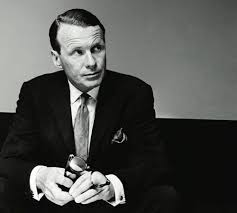
Copywriting is the art and science of writing words – called copy – that persuade people to take a specific action. The action can be anything: buying a product, signing up for a newsletter, attending an event, or even just remembering a brand. Unlike creative writing or journalism, which may inform or entertain, copywriting is all about selling ideas.
The “copy” is everywhere. It’s in ads, brochures, social media posts, email campaigns, website pages, product descriptions, scripts for commercials, and even billboards. Essentially, if a brand wants to communicate with people to inspire action, copywriting is involved.
What Does a Copywriter Do?

At first glance, a copywriter might seem like someone who just “writes words.” But in reality, it’s much more strategic. Here’s a breakdown of the main responsibilities:
- Understanding the Audience:
A copywriter’s first job is to know who they are talking to. What are the audience’s needs, desires, fears, and motivations? A message that works for teenagers won’t necessarily resonate with business professionals, and vice versa. - Researching the Brand and Product:
Copywriting is never done in a vacuum. A copywriter spends time understanding the product, service, or brand they are promoting. What is unique about it? What problem does it solve? How does it stand out from competitors? - Crafting the Message:
Once the audience and product are clear, the copywriter’s task is to create a message that connects. The words should capture attention, spark interest, create desire, and ultimately prompt action -a principle often summarized as AIDA (Attention, Interest, Desire, Action). - Writing Across Platforms:
Copywriting isn’t just about long-form content. A copywriter needs to be versatile:- Short-form copy: Ads, social media posts, headlines, slogans.
- Long-form copy: Website content, emails, brochures, video scripts.
- SEO copywriting: Optimizing content with keywords so it ranks well on Google while still engaging readers.
- Collaborating with Designers and Marketers:
In a marketing agency, copywriters rarely work alone. They collaborate with designers, video editors, strategists, and account managers. Together, they ensure the message looks and reads perfectly, and aligns with the overall campaign strategy. - Testing and Improving:
Copywriters often experiment with different headlines, emails, or social media posts to see what works best. A good copywriter not only writes creatively but also analyzes performance and tweaks copy based on real data.
A Copywriter’s Role in a Marketing Agency

In a marketing agency, the copywriter is the wordsmith who translates ideas into persuasive language. But their role goes beyond just writing:
- The Brand Voice Guardian:
Every brand has a personality. Some are fun and quirky, others serious and professional. A copywriter ensures that every message, from ads to tweets, speaks in the same voice. Consistency is key to building trust and recognition. - The Idea Generator:
Creative campaigns start with an idea, and copywriters are often at the center of brainstorming sessions. Whether it’s a catchy tagline, a social media challenge, or a video concept, copywriters help shape the creative direction. - The Bridge Between Strategy and Creativity:
Marketing agencies don’t just create pretty ads; they craft campaigns to achieve business goals. Copywriters understand these goals and translate them into compelling words that drive results. - Storytelling Experts:
Humans connect with stories. A copywriter can turn a simple product feature into a story that resonates emotionally with the audience. For example, a toothpaste ad isn’t just about fighting cavities; it’s about giving kids a confident smile and parents peace of mind. - Problem-Solvers:
Copywriters often face challenges: How do you make a dull product exciting? How do you explain something complicated in just a few words? Solving these puzzles is part of the job – and it’s one of the most satisfying aspects.
Skills Every Copywriter Needs

Becoming a copywriter isn’t just about loving words. It requires a mix of creativity, strategy, and people understanding. Key skills include:
- Writing Skills: Clarity, persuasion, grammar, and tone are essential.
- Research Skills: Understanding industries, trends, and competitors.
- Creativity: Thinking of unique ways to communicate messages.
- Adaptability: Writing for multiple platforms and audiences.
- Analytical Thinking: Measuring how copy performs and adjusting strategies.
- Communication: Working effectively with clients, designers, and marketers.
Common Misconceptions About Copywriters
- “Copywriters just write ads.”
False. Copywriters work on blogs, email campaigns, social media, websites, video scripts, and more. Their job is to communicate any message that drives action. - “Anyone who writes can be a copywriter.”
Writing skills alone are not enough. A copywriter must persuade, engage, and understand human psychology. - “Copywriting is easy.”
In reality, writing one perfect sentence that grabs attention and motivates action can take hours – or days. It’s both an art and a science. - “Copywriting is copying and writing.”
As my classmates joked, no! Copywriting has nothing to do with plagiarism. It’s about crafting original words that sell ideas.
Why Copywriting Matters in Today’s World
In a world full of ads, social media posts, emails, and notifications, attention spans are short. People scroll past content in seconds. A copywriter’s role is to stop them in their tracks.
Good copy can:
- Increase sales
- Build brand awareness
- Educate and inform customers
- Inspire trust and loyalty
Even in the digital age, words remain powerful. While visuals catch attention, it’s the copy that convinces someone to act.
Examples of Copywriting in Action
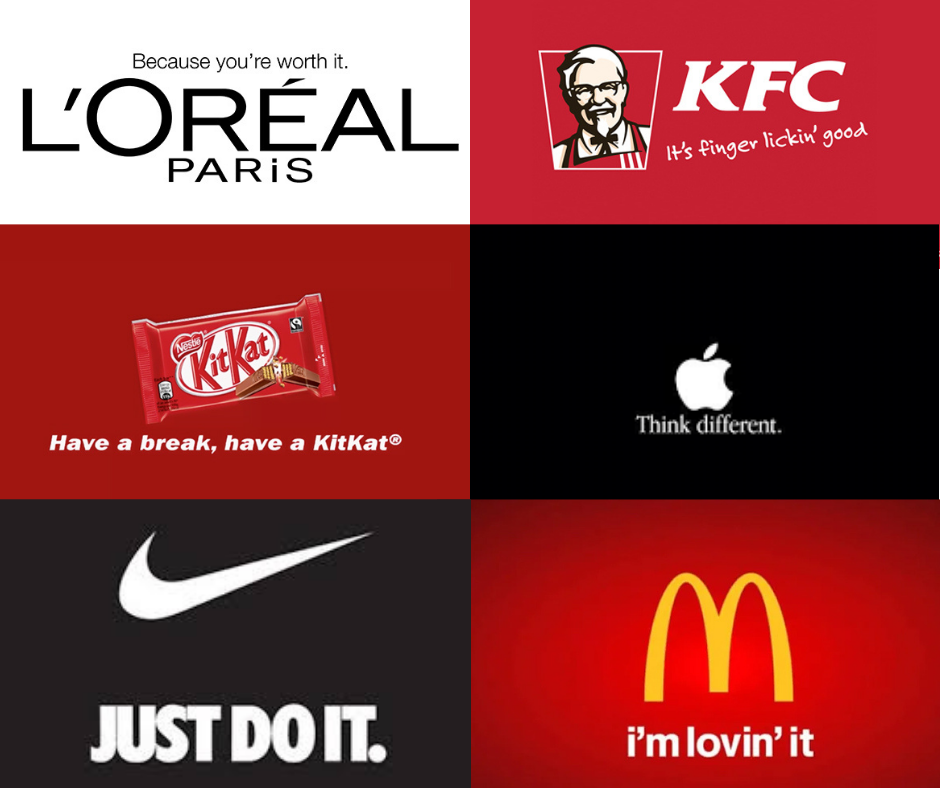
- Slogans and Taglines:
- Nike: “Just Do It” – Inspires action and empowerment.
- Apple: “Think Different” – Positions the brand as innovative and bold.
- Social Media Posts:
A catchy, relatable caption can boost engagement and shares, driving awareness for a brand. - Email Campaigns:
A well-written email can convert subscribers into buyers by using persuasive subject lines and compelling calls-to-action. - Website Content:
From product descriptions to landing pages, copywriting ensures visitors understand a brand and are motivated to engage.
The Future of Copywriting
As technology evolves, so does copywriting. AI tools, chatbots, and automation are changing how brands communicate. But even with advanced tools, human creativity remains irreplaceable. Machines can suggest words, but they can’t fully understand emotion, humor, or cultural nuances like a skilled copywriter.
Moreover, storytelling and brand connection will continue to be critical. Brands that succeed in connecting emotionally with their audience will always need talented copywriters.
Final Thoughts
Being a copywriter is more than just writing words. It’s about understanding people, telling stories, solving problems, and persuading action. Copywriters are the unsung heroes behind the ads, social media posts, emails, and campaigns that influence our daily choices.
So the next time someone asks, “What is copywriting” you can confidently tell them:
I’m a storyteller, a problem-solver, a strategist, and most importantly, a salesperson behind a typewriter -or a laptop in today’s world -shaping messages that inspire action.
Being a copywriter is not just a job; it’s a craft. And like any craft, it requires practice, patience, creativity, and a deep understanding of people.
In short, copywriting is the art of selling with words – and doing it well can change the way the world sees a brand.